Skip to content
Hugo Herrera
Agentic AI and Dynamics 365, built to stand.
Independent architect for Microsoft AI and Dynamics 365, and Packt author. I take programmes from a clear as-is to a live system.
Copilot StudioMicrosoft FoundryMicrosoft Agent FrameworkAzure OpenAI and RAGDynamics 365 Customer ServiceDynamics 365 Contact CenterPower PlatformDataverseSAP and AS400 integrationKafkaAzure DevOpsMicrosoft FabricGitHub CopilotClaude Code
Copilot StudioMicrosoft FoundryMicrosoft Agent FrameworkAzure OpenAI and RAGDynamics 365 Customer ServiceDynamics 365 Contact CenterPower PlatformDataverseSAP and AS400 integrationKafkaAzure DevOpsMicrosoft FabricGitHub CopilotClaude Code
Services
01 / 05Scroll for the next service ↓
01 · Agentic AI
Agents in production, governed and measured.
Like SSEN’s feedback agent: Azure OpenAI and Dynamics 365, 90% accurate against human review.
- Copilot Studio
- Foundry
- Agent Framework
- MCP
See the service
02 · Dynamics 365 Contact Center
Contact centres for every region’s rules.
Designs for Microsoft clients in the US, Europe, Asia and China, and a building society’s move from Cisco.
- Voice
- Routing
- Teams Phone
- Copilot
See the service
03 · Dynamics 365 CE and migrations
Dynamics 365 at enterprise scale.
Customer Service and Sales with 100+ integrations, and migrations like 4.2 TB in one weekend.
- Customer Service
- Sales
- SAP
- Kafka
- Migrations
See the service
04 · Project Recovery
Programmes back on course.
Blueprints agreed with the CTO and business owners, then the team led to go-live.
See the service
05 · Training
Teams that build with AI.
Packt’s live agents workshop, AB-100, and GitHub Copilot and Claude Code on real programmes.
- AB-100
- Workshops
- GitHub Copilot
- Claude Code
See the service
How I work
From as-is to live. I work visually, so everyone understands the plan.
Diagrams from my Handbook’s case study, redrawn for this site.
Step 1Make the as-is clear
Every system, integration and data centre on one page, so the CTO, the business and the delivery team look at the same picture.
Current architecture overviewTap to enlarge
Step 2Agree the to-be
Agreed with stakeholders and business owners, with the trade-offs on the page: here, two costed ways to handle a credit-check outage.
Requirements and exception optionsTap to enlarge
Step 3Close the gaps
Processes sketched on the whiteboard with the people who run them, so the team owns the reasoning before anything is built.
Process whiteboardTap to enlarge
Step 4Lead it live
Every release through the same gates, from development to production: Solution Checker, security scans and stage approvals.
Azure DevOps release pipelineTap to enlarge
Engagement options
Three shapes the work usually takes.
ContractLead solutions architect
Architecture and delivery leadership inside your team, through go-live and hypercare.
Ask about this
2 to 3 weeksArchitecture assessment
The as-is and a to-be with named trade-offs, before a programme commits.
Ask about this
3 days to 12 weeksTeam training
AB-100, agent workshops and AI-assisted delivery.
Ask about this
How the three shapes fit a programme
Research · OnDynamics Labs
If you cannot demonstrate it on your own platform, you should not be designing it on someone else’s.
Books
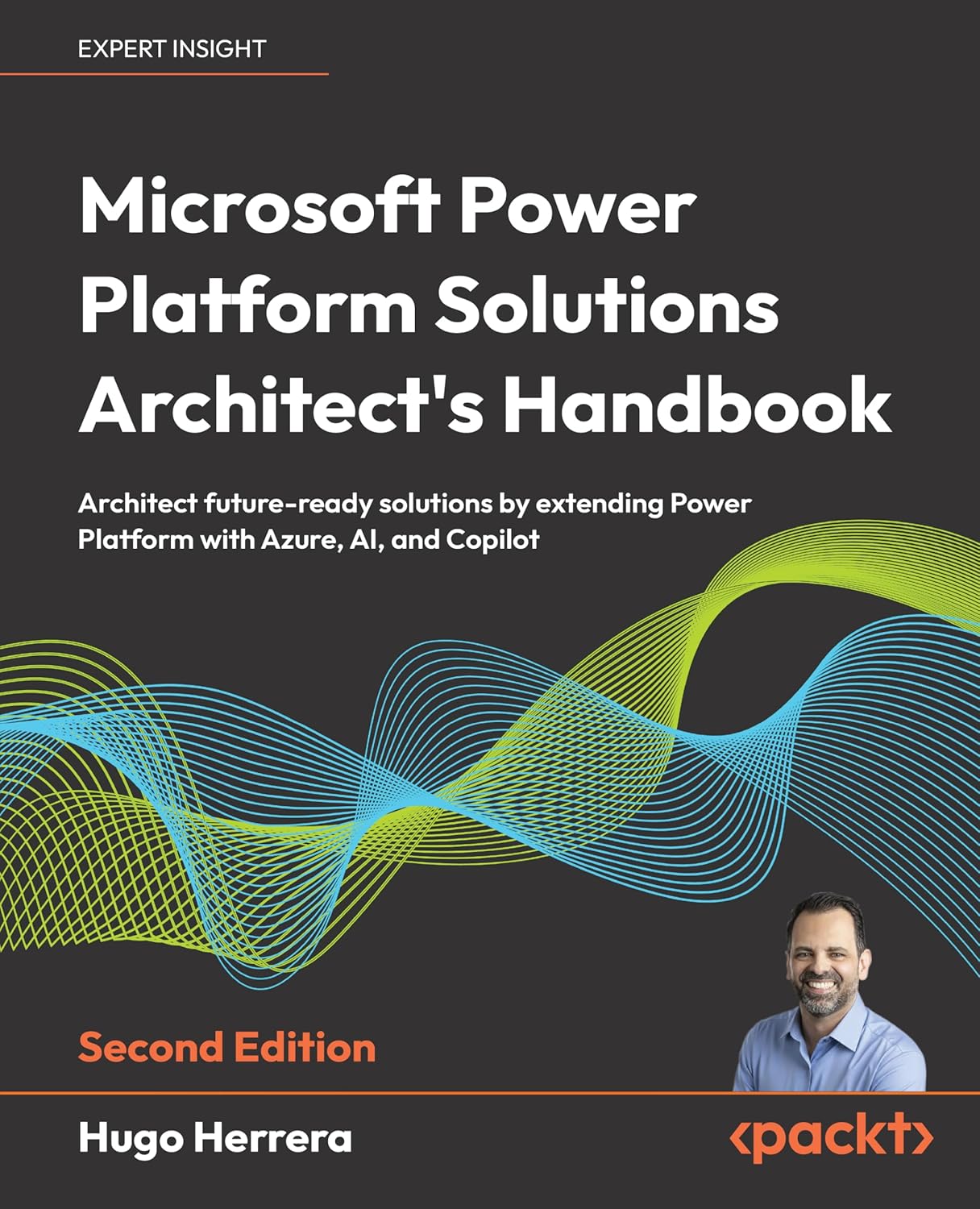
Three books, written from the field.
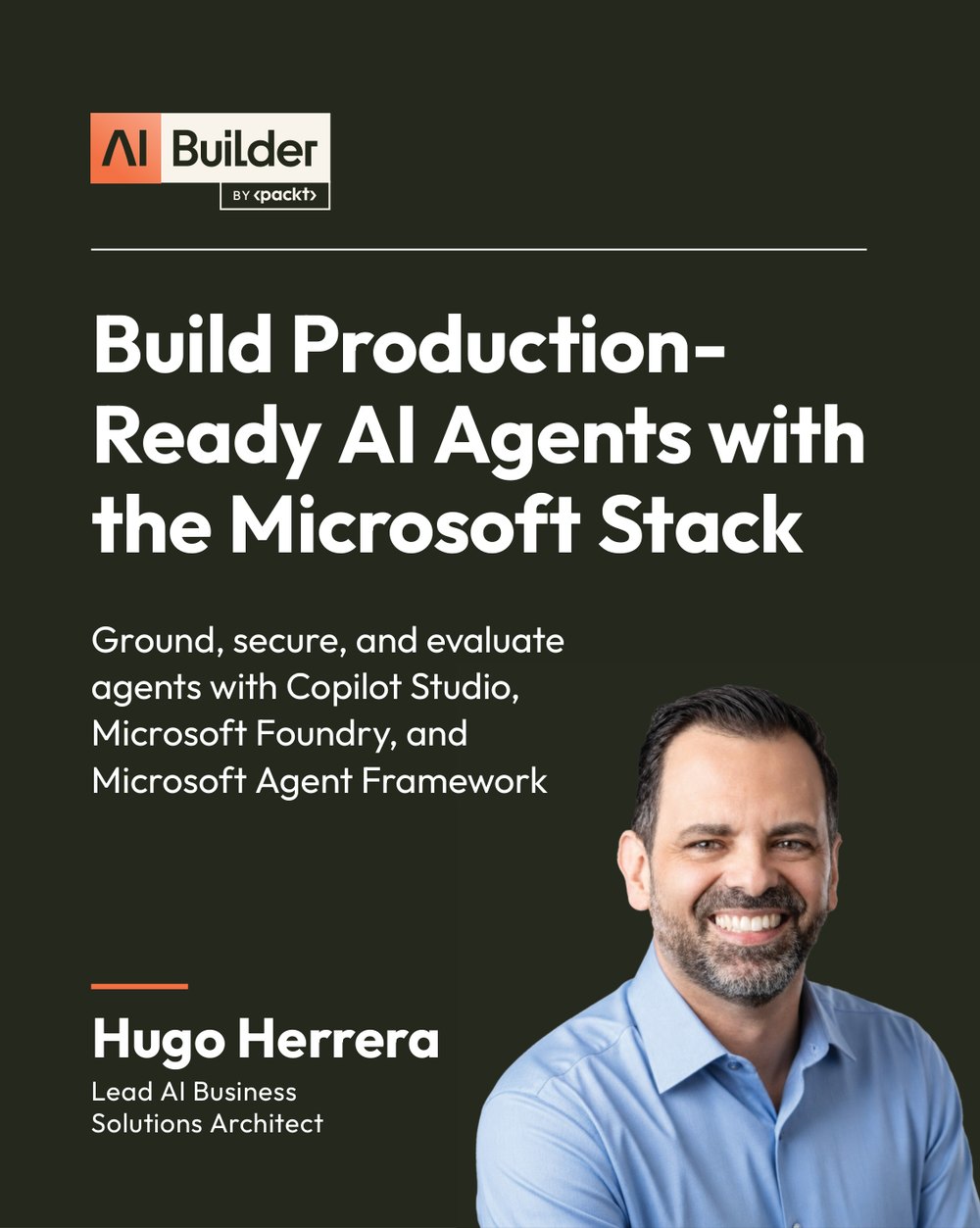
The new one builds a claims agent across Copilot Studio, Foundry and Agent Framework. Out 29 October.
About
Architect. Author. Builder.
I own the architecture end to end and work visually, so everyone understands the plan. Microsoft has contracted me four times since 2017.
- Now: Principality Building Society
- Before: Lead Solutions Architect for Microsoft, on a national healthcare service
- Certified: Agentic AI Business Solutions Architect Expert
- Based: Køge, Denmark, working across the UK and EU
More about me
Contact
Let’s talk about your programme.
Ask me about Hugo's work, books or labs.
Hello. I can answer questions about Hugo's work, his books and OnDynamics Labs. Pick a question to start.